Key Takeaways
I found that a little planning makes home charging feel much less like a mystery project. These are the points I’d keep in view before booking an installation.
- Choose charging speed and connector compatibility around your car and typical driving.
- Check the electrical panel, parking location, and cable route before settling on a charger.
- Compare the complete installation cost, including any electrical work.
- Confirm local permit, inspection, and utility requirements with the relevant authorities.
- Use a qualified installer, then test the setup and build a simple charging routine.
Choose a charger that fits your car and your routine
When I started looking into home charging, I realised the best option wasn’t necessarily the one with the longest feature list. I needed to think about how far I drive, how long the car sits at home, and what it can accept. A home charger installation guide is most useful when it starts with those everyday details. The right setup should make charging feel ordinary, not like another hobby to manage.
Level 1 or Level 2: Decide how quickly you need to recharge
The choice between slower charging from a regular household outlet and a dedicated faster setup comes down to how much time the car spends parked and how much energy I use between charges. If the car sits at home for long stretches and my driving is modest, slower charging may be enough. If I regularly need a quicker top-up, a Level 2 charger may suit my routine better, subject to what the home can support. I’d check the vehicle manual and discuss the expected charging rate with an installer rather than assume a charger’s advertised maximum is what I’ll get.
Match the connector and charging speed to your EV
Before comparing models, I’d confirm the connector type and charging limits for my vehicle. A charger can only deliver charging at a rate the car is designed to accept, and compatibility matters more than an impressive product page. I’d also check whether the charger is intended for a fixed installation or another kind of connection, then confirm the details against the vehicle and charger documentation. That small bit of homework can prevent an expensive mismatch.
Compare smart features with the ones you’ll actually use
Connected features can be useful, but I’d start by asking what they let me do in practice. Some chargers offer app-based controls or charging schedules; availability and functions depend on the specific model. I find it easier to compare them by the task I want done than by a long list of technical terms.
| Feature to check | Question I’d ask | Why it may matter |
|---|---|---|
| Scheduling | Can I set charging times in the app? | It may make a repeatable routine easier. |
| Remote controls | Can I start or stop charging remotely? | It can be handy if plans change. |
| Notifications | What charging updates can I receive? | Updates may help me spot interruptions. |
| Connectivity | What connection does the charger need? | The location may affect signal access. |
I’d verify each feature in the manufacturer’s documentation and consider whether it solves a real annoyance for me. If I’d rarely open the app, a simpler model may be easier to live with.
Think ahead to future vehicles and changing needs
I’d also consider whether the charger is likely to suit another vehicle I may own, without paying extra for features I don’t need today. Connector standards and vehicle capabilities can vary, so I would check compatibility rather than rely on a guess about what future cars will use. If more than one EV might need charging at home, I’d ask an electrician whether the proposed setup can accommodate that situation. A little flexibility is useful; a crystal ball, sadly, is not included.
Check whether your home is ready for the upgrade
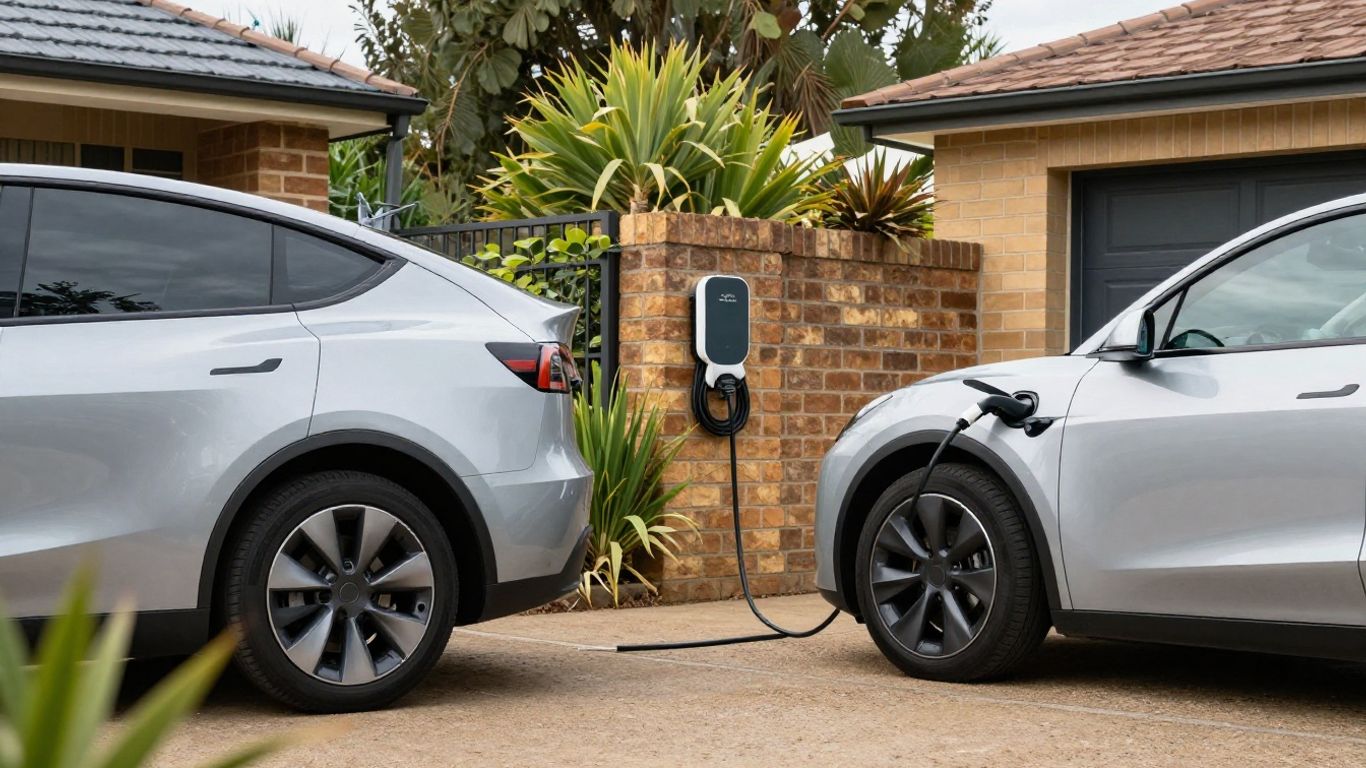
A charger choice is only half the puzzle; the home’s electrical setup and the parking spot shape what can be installed. I’d look at where the car sits, where the electrical panel is, and what lies between them. The first walk-through can help me ask better questions, but it doesn’t replace an electrician’s assessment. I’d treat the site conditions as part of the plan, not an afterthought.
Review your electrical panel’s capacity
I wouldn’t judge the panel by appearance alone. An electrician can assess its capacity and condition, then determine whether it can support the proposed charger alongside the home’s other electrical needs. If an upgrade or another change is needed, that may affect both the project scope and price. I’d ask for the reasoning in plain language so I understand what the work is intended to address.
Pick a spot that keeps the cable convenient and out of the way
I’d picture the car in its usual parking position and check where its charging port sits. The charger should be placed so the cable can reach without stretching across a walkway or creating a trip hazard. I’d also consider whether the vehicle parks nose-in or reverses in, and whether that could change later. A convenient position is one I can use easily on a rainy evening, not just one that looks tidy in a photo.
Consider distance, walls, and other installation obstacles
The route between panel and charger can influence the work involved. Walls, detached garages, outdoor sections, and long cable runs may all need to be considered by the installer, along with the safest practical route. I’d walk the route with them and point out anything that could complicate access, such as locked areas or finished surfaces. Knowing those details early makes it easier to compare proposals on the same basis.
Know when an electrician should assess the setup
If I’m unsure about the panel, wiring, or where equipment can be mounted, I’d get a licensed electrician to assess it before choosing a final installation plan. I wouldn’t try to calculate electrical capacity or modify wiring myself. I’d share the vehicle and charger details, plus photos of the intended parking area and panel if requested. That gives the electrician a clearer starting point and helps avoid assumptions that unravel on installation day.
Budget for the full installation—not just the charger
The price of the charger itself is only one part of the total project. Labour, the distance from the panel, and any extra electrical work can change the final quote. I’d ask what is included before comparing prices, because two similar-looking totals may cover different jobs. A little detail now can save an awkward conversation later.
Compare equipment and labor costs
I’d ask installers to separate the equipment cost from labour and describe what each figure covers. The comparison should include the proposed charger model, installation location, cable route, and any included setup or testing. I’d also check whether the quoted equipment is the model I selected and whether any optional features are priced separately. That makes it easier to compare like with like rather than choosing based on a headline number.
Account for panel upgrades and longer cable runs
If the panel needs work or the charger is far from it, the installation may involve more than mounting a unit and connecting it. I’d ask whether the quote includes those possibilities, or whether they would be assessed and priced separately after a site visit. Trenching, wall repairs, or changes to existing electrical equipment should be stated clearly if relevant to the property. The aim is not to predict every complication, but to know which costs are confirmed and which remain conditional.
Check local utility rebates and incentives
I’d check directly with my electricity provider and relevant government information sources for any current programs, eligibility rules, and application timing. Availability can depend on location and the details of the installation, so I wouldn’t treat a rebate as guaranteed until I had checked the conditions. I’d also ask whether the application needs approval before work begins. Keeping the paperwork together makes it easier to follow the process without relying on a vague memory of a phone call.
Ask for an itemized quote before work begins
Before agreeing to work, I’d request a written breakdown that names the charger, labour, and any expected additional work. A useful quote should also explain assumptions, exclusions, and how changes would be handled if the site assessment reveals something unexpected. I’d take time to ask about anything I don’t understand. Clear wording is worth more than a quote that is quick to read but hard to interpret.
Handle permits, codes, and other paperwork
Paperwork varies with the property and local requirements, so I’d confirm what applies rather than relying on a generic checklist. The installer, local authority, and electricity provider may each have information relevant to the job. I’d keep the project details consistent as I ask questions, including the charger model and proposed location. A small folder—digital or otherwise—can keep the answers from disappearing into my inbox.
Find out which permits your project requires
I’d ask the local council or relevant building authority whether the proposed work needs a permit or other approval. The answer can depend on the property and scope, so I wouldn’t assume that a neighbour’s experience settles it. I’d also ask the installer which approvals they expect to be involved in and who is responsible for submitting them. Having that responsibility clear before work begins helps avoid crossed wires.
Check local electrical codes and inspection rules
Electrical work needs to meet the requirements that apply where the property is located. I’d ask the installer how compliance and any required inspection are handled, then confirm the process with the relevant authority if anything remains unclear. This is a good point to keep the conversation practical and specific to the planned job. I want to know what happens next, not collect a stack of jargon for its own sake.
Ask your utility about service or rate requirements
I’d contact the electricity provider to ask whether the installation affects any service arrangements or whether it offers a tariff that may suit home charging. The provider can explain its own terms and any steps that apply to my account. I’d write down the date, contact channel, and guidance received, then confirm important details in writing where possible. That leaves me with something more dependable than “I think someone said it was fine.”
Keep receipts and approval documents for your records
I’d keep the quote, invoice, charger documentation, inspection records, and any approval correspondence in one place. To make that manageable, I’d use a short routine rather than wait until a document is suddenly needed.
- Save the signed quote and any agreed changes.
- Keep the charger invoice and product information.
- File permit, inspection, and approval records.
- Note any follow-up instructions from the installer or provider.
When the work is done, I’d check that the file includes the final paperwork, not just the original estimate. It gives me a clear record of what was installed and what was approved.
Hire a qualified installer and plan installation day
I’d choose an installer based on qualifications, relevant experience, and a clear explanation of the proposed work—not on a confident promise alone. A site-specific quote is particularly useful when the panel and parking space are far apart or the route is complicated. Before booking, I’d make sure the scope and responsibilities are written down. It’s easier to ask sensible questions before a van is on the driveway.
Verify licensing, insurance, and EV charger experience
I’d check that the person or business carrying out electrical work holds the required licence for the location, and ask what insurance cover applies to the job. I’d also ask about experience installing home EV chargers similar to the setup I’m considering. These checks are ordinary due diligence, not a test of anyone’s character. If an answer is vague, I’d ask for clarification before making a decision.
Compare quotes using the same scope of work
To compare quotes fairly, I’d make sure each installer has the same information about the charger, panel, parking spot, and cable route. I’d compare what is included, what is excluded, and how additional work would be approved. The lowest total may not cover the same work as another quote, so I’d focus on scope as well as price. A clear comparison is more useful than a race to the smallest number.
Confirm who handles permits and inspections
I’d ask directly who will arrange any required approvals and inspections, and what I need to do myself. If the installer is handling a step, I’d ask when I can expect confirmation or records. If I’m responsible for anything, I’d note the relevant contact and timing. A quick written summary avoids the classic project-management technique of assuming the other person is handling it.
Clear the work area and plan for a brief power interruption
Before installation day, I’d move cars and stored items so the electrician can reach the panel and mounting location. I’d ask whether power needs to be switched off temporarily and what parts of the home could be affected. If I work from home or rely on powered equipment, I’d plan around the interruption once I know its likely timing. A clear path and a realistic schedule make the day easier for everyone.
Test the charger and make charging a routine
When installation is complete, I’d take a few minutes to check the setup rather than assume that a neatly mounted charger is ready for regular use. I’d confirm the installer’s handover, follow any inspection steps that apply, and use the manufacturer’s instructions for operation. The goal is a routine that fits my driving and is easy to repeat. If anything behaves unexpectedly, I’d contact the installer or charger maker rather than improvise a fix.
Confirm the installation passes inspection
If an inspection is required, I’d make sure it has been completed and ask for the relevant record. I’d also ask the installer to explain any conditions or follow-up work noted during the process. Where no separate inspection applies, I’d still keep the installation documentation and handover details. That gives me a clear baseline for future questions.
Test charging with your vehicle
I’d connect the charger to my vehicle using the manufacturer’s instructions and confirm that charging begins as expected. I’d check that the connector fits securely and that the charger indicates normal operation. If charging doesn’t start, I’d look at the vehicle and charger instructions for basic checks, then contact the installer if the issue persists. There’s no prize for turning a simple fault into a DIY electrical adventure.
Set schedules and notifications in the charger app
If my charger has an app, I’d set only the controls I expect to use, such as a charging schedule or relevant notifications. I’d check the vehicle settings too, since scheduling may be available in the car as well. Having two systems compete over the same start time can be confusing, so I’d decide which one I intend to manage. A simple setup is easier to remember when I’m tired and just want to plug in.
Keep cables and connectors clean, dry, and safely stored
I’d follow the manufacturer’s care instructions and make sure the cable is stored so it doesn’t cross a walkway or get driven over. Before connecting, I’d check for visible damage and keep the connector away from dirt and moisture beyond what its instructions allow. If I notice damage or unusual behaviour, I’d stop using the equipment and contact a qualified professional. Small habits help keep charging predictable, which is exactly the kind of excitement I want from a home charger.